


UK Rail Strategy Sparks Welsh Train Funding, Ownership Debate
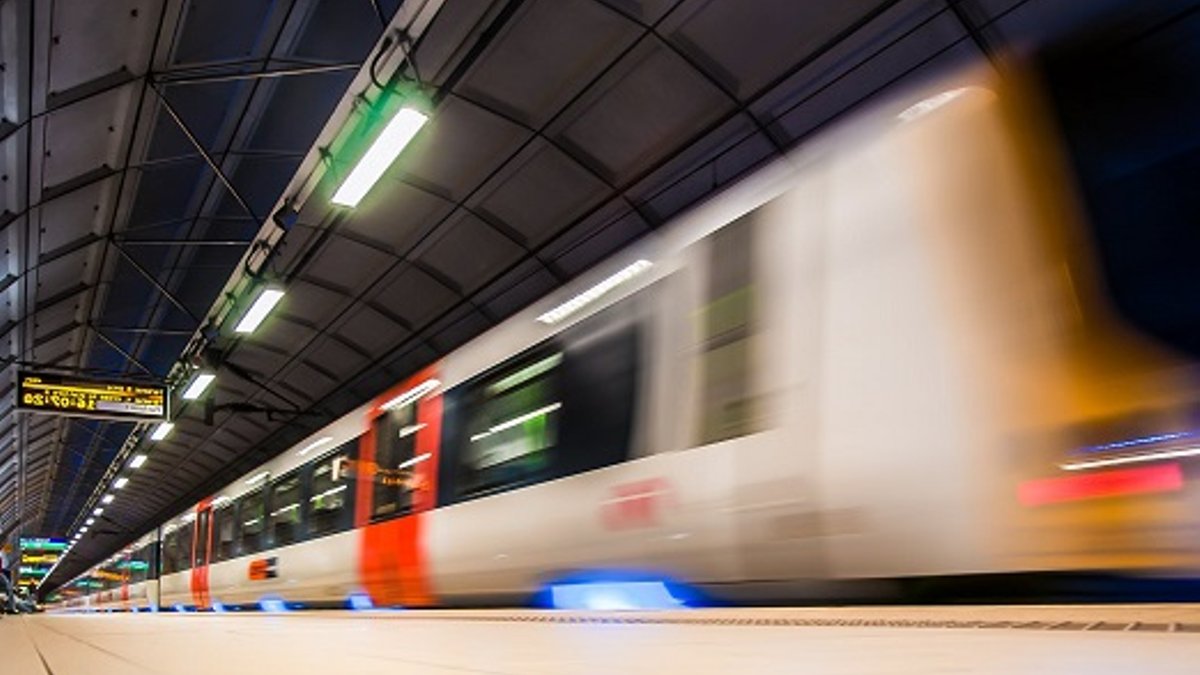
A new UK rail strategy has sparked questions about how future Welsh trains will be funded and owned. The UK Government’s shift towards considering public ownership of new trains, rather than leasing, has implications for Wales as it manages its evolving relationship with the UK over the rail network.
A shift in train financing
The UK Government’s rolling stock and infrastructure strategy, published on September 28, outlines a move away from the leasing model that has dominated Britain’s railways for over 30 years. Great British Railways (GBR) will now evaluate public ownership, leasing, and other financing options on a case-by-case basis when procuring new trains.
This change coincides with Wales’s significant fleet replacement program, which has seen around £800 million invested in new trains, including Class 197 and Stadler fleets. The Welsh Government has also been negotiating with Westminster for greater control over rail, seeking full devolution, fairer funding, and more influence over investment decisions.
Implications for Welsh rail
The new strategy raises questions about how future Transport for Wales (TfW) fleet requirements will align with GBR’s national planning and procurement system. A Memorandum of Understanding between the Welsh and UK Governments establishes a partnership between GBR and TfW for the Wales and Borders network.
The Welsh Government has highlighted the disparity in rail investment, noting that Wales accounts for 10% of Britain’s rail network by track length but received only 1.5% of UK rail investment over the past 15 years. With a £14 billion long-term rail improvement program backed by both governments, the financing and ownership of future trains become critical aspects of their emerging relationship.
As GBR plans to integrate rolling stock, track, depots, and maintenance, Wales must consider its influence over decisions regarding the specification, funding, and ownership of its future trains. This shift could also impact the wider rail supply chain, with GBR prioritizing jobs, skills, and social benefits in contract awards.
Impact on rail supply chain and procurement
The strategy also focuses on moving away from diesel trains, favoring battery-powered and electric trains as part of its decarbonization efforts. These changes are expected to shape future fleet requirements and procurement decisions across the UK rail network.
Decarbonization and future fleets
For Wales, the key issue is not just the shift from leasing to buying trains, but the extent of its control over decisions about the trains its network requires. This includes specifying train needs, determining funding sources, and ultimately, owning the rolling stock.


