


Canada approves West Coast pipeline project
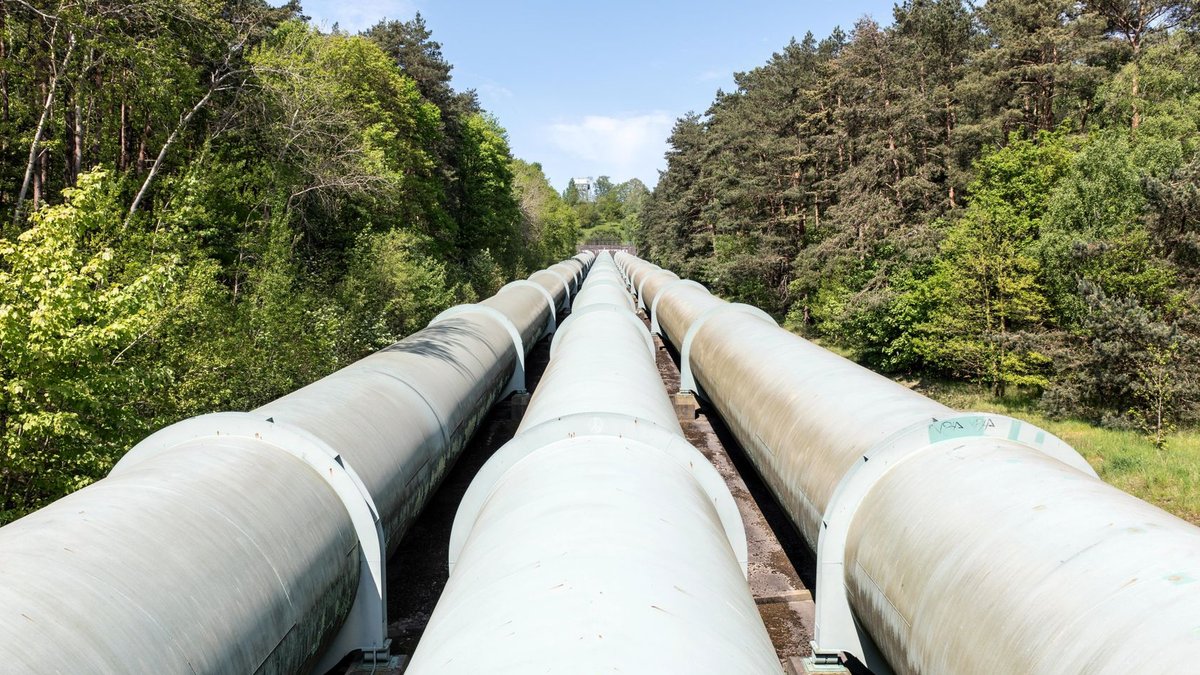
The Canadian government has designated the Pacific Link oil pipeline, a proposed one-million-barrel-a-day pipeline to the West Coast, as a project of national interest. This decision gives the pipeline a green light, shifting the regulatory focus from whether the pipeline should be built to how it will proceed.
The proposed pipeline, which will cost between $35.2 billion and $43.7 billion, is now a shared federal and provincial initiative. Federally-owned Trans Mountain and the Alberta Petroleum Marketing Commission, a provincial Crown corporation, will equally divide the majority of equity. Private pipeline company Pembina Pipeline will hold a 10 per cent interest through construction, with the option to acquire another 10 per cent once the pipeline is in service. At least a 10 per cent stake will be offered to Indigenous investors.
Trans Mountain will oversee construction of the roughly 1,250-kilometre pipeline stretching from near Bruderheim, Alberta, to a new terminal at Roberts Bank close to Delta, British Columbia.
Prime Minister Mark Carney announced the decision, saying that the “real work” of consulting Indigenous groups begins now. Carney stated that “Canada will remain a country of high standards, but high standards do not require slow decisions.”
Indigenous Concerns Rise
The decision was made despite complaints from Indigenous communities that they had too little information about the pipeline to reach an informed decision on whether to support the national interest designation. Cabinet concluded that delaying its decision “would not have resulted in additional project information coming forward, and would have been contrary to the public interest in advancing the project’s potential benefits at the earliest opportunity.”
Both Ottawa and Alberta plan to invest about $4 billion over the next 11 months on planning, including route finalization, engineering studies, environmental assessments, and consultations with Indigenous communities. The Major Projects Office held over 140 meetings with representatives from 110 Indigenous groups between July 3 and September 18.
Carney said that the national interest designation means “the real work begins in rolling up sleeves and having those consultations,” adding that the government will “very much draw on Indigenous knowledge and perspectives on the environmental consultations and the solutions and mitigation efforts.”
Economic Benefits Expected
Ottawa is betting a new route to Asian markets will spur another boom in oilsands growth, citing estimates that it could generate as much as $81 billion in pipeline and upstream investment, and as many as 144,000 jobs at peak construction. Pacific Link could also generate roughly $20 billion a year in additional export revenues, officials said, citing Royal Bank of Canada estimates, while alleviating Canada’s continued heavy reliance on the U.S. for roughly 90 per cent of its crude exports.
Financing for the megaproject has not yet been finalized, though. Ottawa and Alberta are still sorting out funding commitments for Pacific Link’s development phase, and “a credible plan to finance the full construction of the project is being developed.” The $4 billion in public dollars that will be spent over the next few months in development costs will ultimately be recovered through pipeline tolls if the project proceeds.
When asked about using taxpayer funds for the project, Prime Minister Mark Carney said: “The Canadian taxpayer is going to make a lot of money off this pipeline.” Officials are now refining engineering plans, cost estimates, and commercial agreements, with Ottawa aiming to set federal conditions by September 1, 2027.
The joint federal-provincial venture is expected to spend roughly $4 billion advancing the project over the next 11 months, with Trans Mountain leading the development of the pipeline. Carney said that a “decision to go forward” will depend on the federal conditions, the project’s economics, and other factors.
Project Viability Next
Federal officials said the open season is expected to begin in the spring, where Trans Mountain will gauge interest among oil producers in committing barrels to the new pipeline. This step is important in determining the project’s viability and potential for success.
The project’s proponents are working to firm up engineering, costs, and commercial arrangements, with Ottawa aiming to finalize a set of federal conditions governing the project by Sept. 1, 2027. These conditions will play a significant role in determining the project’s future.


