


Brokers shift to integrated service networks
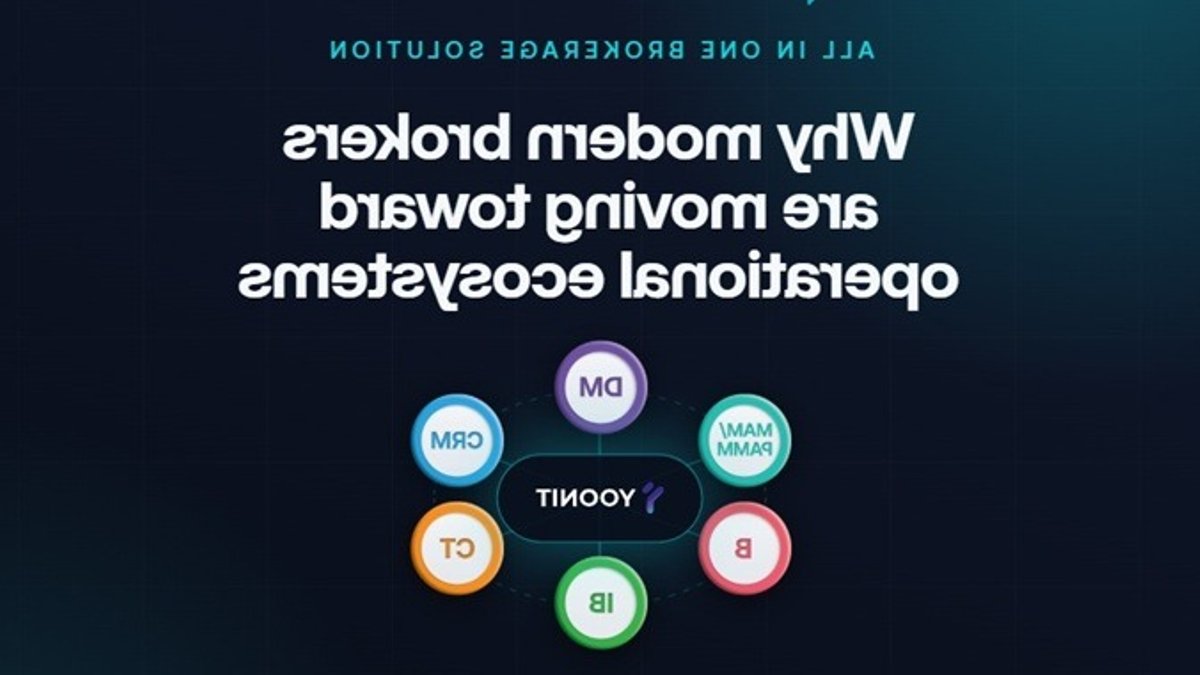
Forex and CFD brokers are replacing their patchwork of standalone systems with integrated operational ecosystems. This change reduces costs and speeds up decisions without requiring additional staff.
The Problem Isn’t Broken Systems—It’s Isolated Ones
Most brokers don’t struggle with faulty software. Their tools work well individually but force teams to manually transfer data between them.
A CRM that doesn’t update when a client’s risk profile changes creates inefficiencies. Commission runs that take two days each month waste time. Bonus campaigns often exceed budgets because costs only become visible after the fact. These issues stem from infrastructure built in silos.
The brokers gaining an edge in 2026 aren’t using more complex trading strategies or operating in easier markets. They’ve built environments where data moves automatically between functions, removing the need for manual transfers.
How Integration Works at the Data Level
True integration isn’t just a dashboard pulling reports from separate systems. It involves systems sharing a common data layer, so an action in one triggers a response in another without human intervention.
When a client’s trading behavior crosses a predefined risk threshold, the CRM flags the account immediately. If an introducing broker’s referred clients start underperforming, commission logic adjusts on its own. Bonus campaigns generating suspicious withdrawal patterns are flagged before costs escalate.
These processes don’t require a team member to notice the issue, decide what to do, and execute changes across multiple platforms. The infrastructure handles it, allowing teams to focus on decisions requiring judgment.
Related: Talroo and Phenom team up for smarter hiring
Six Functions Where Integration Pays Off Fastest
For forex and CFD brokers, six areas benefit most from connected systems:
- Dealing desks: Pre-configured rules execute margin changes when thresholds are crossed, reducing reactive decisions during volatile sessions.
- CRM: Real-time trading data informs retention and reactivation efforts, replacing partial snapshots with complete client profiles.
- Copy trading: Monitoring at the ecosystem level catches risks like follower concentration or execution delays before they escalate.
- Partner networks: Automated commission logic scales with the network, cutting administrative overhead.
- Campaign management: Continuous eligibility checks and abuse detection prevent cost overruns before they happen.
The benefits extend beyond efficiency. A dealing desk operating on pre-set rules avoids last-minute adjustments. Partner commissions become accurate and paid on time, eliminating monthly reconciliation meetings. Campaign costs remain visible in real time, not after the fact.
What Changes When the Shift Is Made
The improvements appear modest at first. A dealing desk stops reacting to risk events. An operations team spends less time on reconciliation. Partner relationships improve because commissions are transparent and reliable.
Over time, these small changes add up. Margins improve on the same revenue. Partner networks expand without proportional back-office growth. Client management becomes more precise because it relies on complete data, not just what’s in the CRM.
The firms making this shift early aren’t just optimizing current operations. They’re laying the groundwork for their competitive position in the coming years.
Companies that adopt similar integrated systems often see measurable improvements in performance. The shift allows them to focus on strategic decisions rather than manual processes.

Study Shows AI Adoption Boosts Company Revenue Growth


