


Cash holds on in digital age
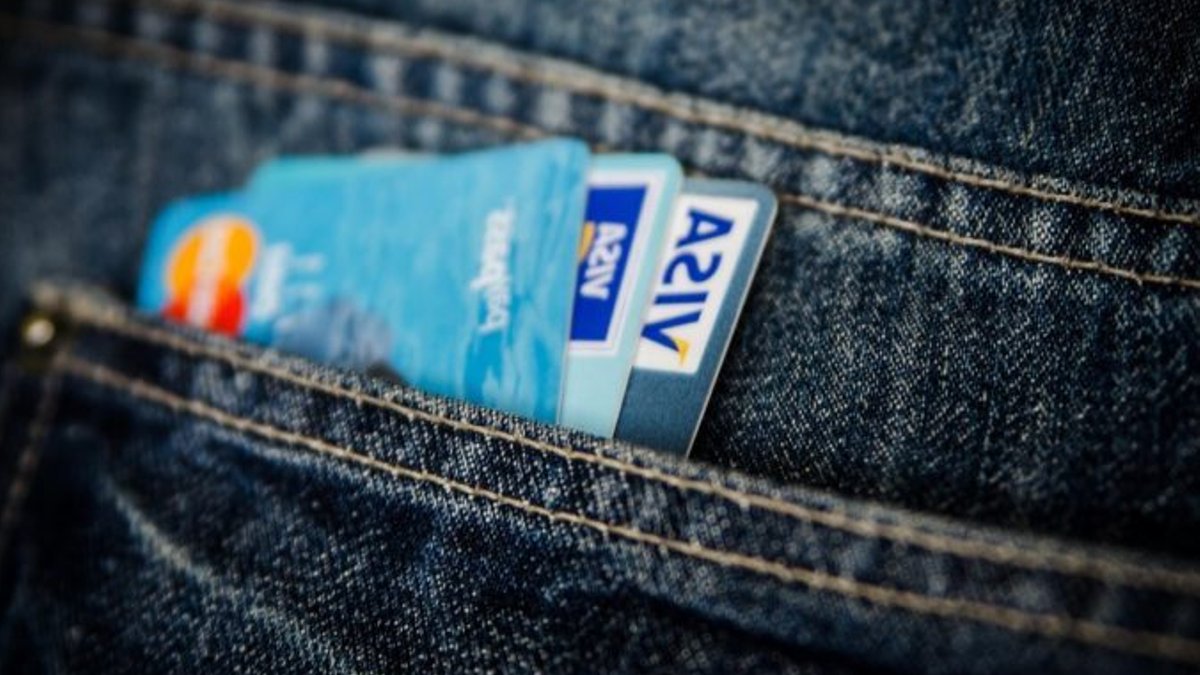
Cash isn’t disappearing. It’s becoming a backup plan.
New Federal Reserve data shows Americans still rely on physical currency, but primarily as a safeguard. The 2026 Diary of Consumer Payment Choice found that 80% of consumers use cash, and 90% have no plans to stop. Nearly half now keep cash for emergencies, a practice that has grown alongside digital payment adoption.
Cash remains the third most-used payment method
In 2025, Americans made an average of 47 payments per month. Cash accounted for 14% of those transactions, ranking behind debit cards (30%) and credit cards (22%) but ahead of digital wallets (12%). The figures indicate a change in how people view cash: less as a primary tool, more as a failsafe.
Payment innovation is often portrayed differently. Headlines emphasize tap-to-pay, instant transfers, and biometric authentication. However, a decade of Fed research reveals that habits evolve slowly. New options expand choices without eliminating old ones. Cash endures because it functions when nothing else does—no signal, no battery, no approval required.
It also remains universally accepted. The Federal Reserve’s research found that while only 16% of consumers identified cash as their preferred in-person payment method, many more continue to use it regularly. This suggests that cash increasingly serves as a trusted and dependable fallback option, even for consumers who primarily rely on cards or digital payments.
Emergency cash holdings are rising
Last year, 45% of consumers stored cash separately for emergencies. The average amount set aside increased from $306 in 2024 to $364 in 2025. The rise reflects a broader recognition that digital systems, while highly reliable, are not immune to disruption.
The Federal Reserve’s research found that 76% of consumers carried cash during 2025. This behavior highlights an important aspect of payment choice: consumers value not only convenience, but also reliability and control. Power outages, severe weather events, cyber incidents, telecommunications failures, and network disruptions can temporarily limit access to electronic payment systems. During these moments, cash provides immediate continuity because it functions independently of electricity, internet connectivity, and third-party networks.
Related: AIG Expands Cyber Insurance to Cover Cloud Outages
The shift may seem unexpected in an era of instant payments. But resilience isn’t about speed—it’s about having alternatives when the fastest method fails. Cash doesn’t compete with digital payments; it provides a fallback. The issue isn’t whether one will replace the other. It’s whether the system can maintain both options.
Cash and digital payments coexist
Consumers don’t view cash and digital payments as rivals. They treat them as tools for different situations: a debit card for groceries, digital services for splitting rent, cash for a power outage. The Fed’s research confirms that flexibility matters more than any single method.
Central banks, retailers, and payment providers now recognize cash as part of the infrastructure. Some European countries require businesses to accept cash to prevent exclusion. In the U.S., the Fed’s cash distribution network ensures physical currency remains available nationwide, even as digital adoption grows.
Maintaining cash access involves more than keeping it in circulation. ATMs, bank branches, and retail cashback options all contribute. Public trust also plays a role—if people believe cash will be available in a crisis, they’re more likely to keep some on hand. Without that confidence, they may rely on digital systems that could fail when needed most.
The Fed’s data doesn’t forecast the end of cash. It suggests the opposite: physical currency is now a deliberate choice, not a default. Consumers aren’t holding onto the past. They’re preparing for a future where systems don’t always work.
The average American now carries less cash than a decade ago, but what they do carry serves a new purpose. It’s no longer for daily spending. It’s for when everything else stops working.

AIG Expands Cyber Insurance to Cover Cloud Outages


