


Sustainable Banking Drives Ethiopia-Djibouti Trade Growth
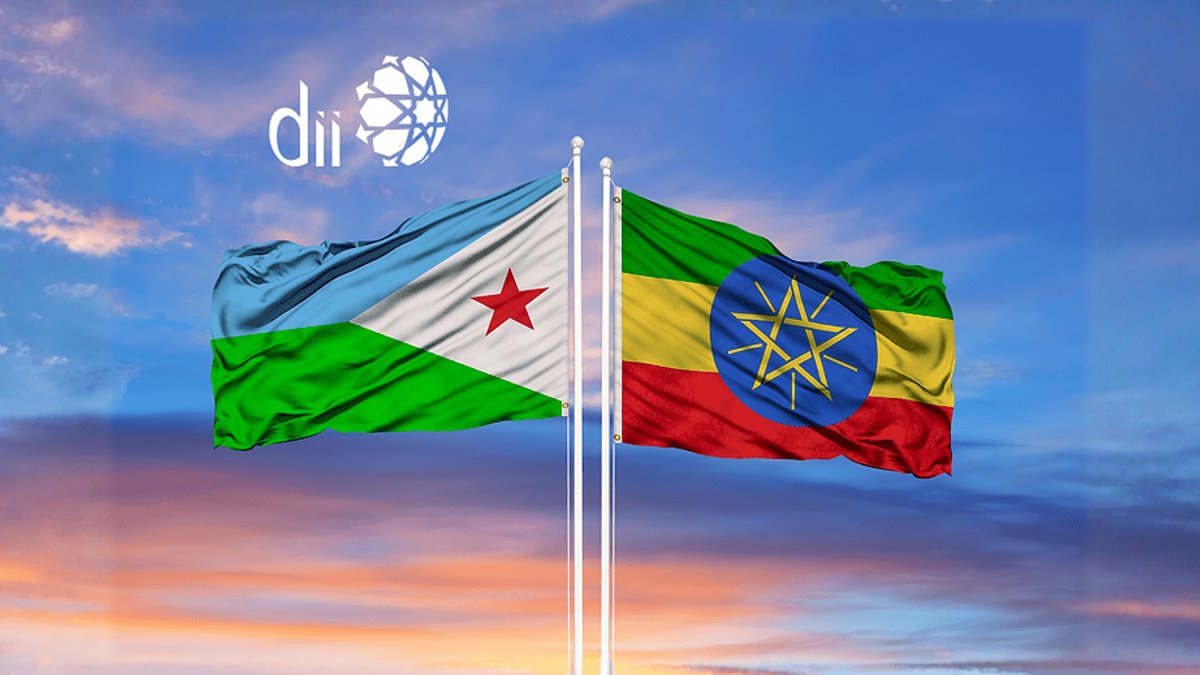
The Ethiopia-Djibouti corridor serves as the primary gateway for the region’s import and export flows, and banks operating along this route are increasingly looking beyond simple liquidity provision. As East Africa emerges as a critical hub for trade and sustainable development, financial institutions are finding that embedding environmental and social standards into their core business models can drive both commercial returns and regional stability. iib East Africa illustrates this shift by integrating sustainability directly into its financing structure rather than treating it as a peripheral initiative.
Embedding Sustainability at Scale
The bank’s loan portfolio reflects a deliberate pivot toward impact-driven lending. As of 2025, over 80% of the portfolio was aligned with ESG-related financing, a figure that represents a 20% increase since January of the same year. This growth is driven by expansion in renewable energy, infrastructure financing, and trade solutions for businesses meeting ESG standards. The scale of this integration positions iib as the leading ESG-focused financial institution in Djibouti.
While the numbers are significant, the practical implications for the corridor are even more pronounced. By channeling capital into projects that meet strict environmental and social criteria, the bank ensures that commercial growth supports broader resilience rather than creating new vulnerabilities. This approach helps stabilize the region’s trade ecosystem, which relies on consistent access to finance for essential goods.
Related: Gulf capital fills Africa infrastructure gap
Mobilising Capital for High-Impact Projects
Beyond its loan portfolio, iib is mobilising capital through structured sustainable finance initiatives. A major component of this strategy is a pipeline of approximately US$72.5 million, comprising a US$30 million social bond programme, a US$25 million Green Bond, and a US$17.5 million Blue Carbon programme. The social bond is earmarked for affordable housing, regional food security, and essential infrastructure for healthcare and education. The Green Bond targets energy efficiency improvements for industrial and logistics SMEs. The Blue Carbon programme aims to restore 1,675 hectares of mangroves and sequester 2 million tonnes of CO₂.
Establishing a Representative Office in Addis Ababa has allowed the bank to extend this model into one of Africa’s largest markets. This expansion supports iib’s strategy of acting as a regional financial intermediary. Backed by a correspondent banking network of more than 30 relationships across Ethiopia and the wider region, the institution provides trade finance, cross-border payments, and risk participation solutions. The presence in both Djibouti and Ethiopia allows the bank to connect local businesses with international capital, reinforcing its role as a regional connector.
Local businesses operating in the corridor often face difficulty accessing structured financing, yet they are essential to the movement of goods and the stability of regional supply chains. By offering specialized facilities for ESG-compliant SMEs involved in food import/export, iib helps bridge this gap. This support is vital for maintaining food security and ensuring that essential goods move across borders efficiently, even when broader economic conditions fluctuate.
Direct Community Engagement
In frontier markets, sustainable finance extends beyond balance sheet activity. iib East Africa complements its financing activities with direct community engagement that promote inclusive growth. The bank funds a housing project in partnership with Qatar Charity, involving the construction of 79 houses, a mosque, and an Islamic academic centre for an investment of approximately US$500,000. It also supports literacy programmes, environmental campaigns including beach clean-ups and tree planting, and health awareness initiatives such as breast cancer programs.
These initiatives reinforce the principle that sustainable finance should create both institutional and community impact. By combining capital deployment with hands-on development work, the bank demonstrates a full approach to regional growth. As East Africa’s financial systems continue to evolve, institutions like iib are becoming active enablers of economic development rather than just financial intermediaries.

Gulf capital fills Africa infrastructure gap


