


Stifel courts startups with tailored banking after SVB’s fall
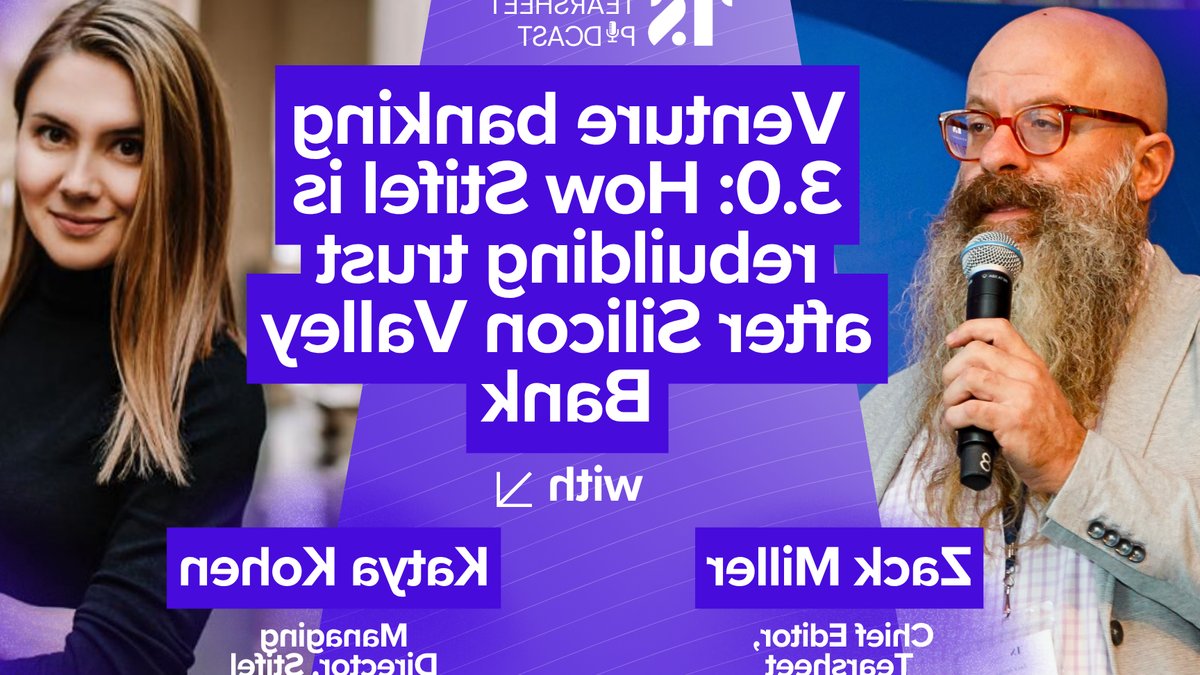
Silicon Valley Bank’s collapse in March 2023 created a void in venture banking that neither traditional banks nor digital lenders have successfully addressed. The institution had long served as the financial lifeline for startups, managing debt, introductions, and operational support for founders and fund managers alike. Nearly three years later, the question remains: whether either one has replaced what SVB offered. Stifel is positioning itself to answer that question through its initiative, labeled venture banking 3.0.
This approach merges human-centered relationships with digital efficiency. Leading the charge is Katya Kohen, managing director of Stifel’s venture and fund banking group. Unlike most bankers, she brings a unique background—she previously founded a technology company, invested in immigrant-founded startups, operated an accelerator, and worked at Techstars before joining Stifel as its first “non-traditional” hire. Kohen’s strategy centers on restoring trust between founders and banks. The collapse of SVB forced startups to rethink which institutions they could rely on for capital.
Stifel seeks to reclaim that role by delivering integrated solutions: debt financing, treasury services, wealth management, and investment banking tailored to companies at every growth stage. The bank’s venture banking portfolio now totals $12 billion in commitments, signaling strong demand for alternatives to SVB. The push toward venture debt, particularly for AI-driven companies, has intensified. These firms require substantial capital for research and development, and founders now expect banks to align with their operational and strategic needs from seed funding through potential exits.
Unlike conventional banks or fintech platforms, Stifel’s model avoids a one-size-fits-all approach. Instead, it embeds banking services within the relationships founders already value. The aim is to serve as a unified partner, handling everything from payroll administration to strategic introductions, while replicating SVB’s pre-collapse influence without repeating its missteps. For capital-intensive AI startups, venture debt has become essential for bridging gaps between equity financing rounds.


